


About Hobby
Sports cards
The hobby of sports card collecting began in the late 19th century in the United States, when tobacco and candy manufacturers came up with the idea of creating sports cards as a promotional tool to boost product sales. In the beginning, manufacturers included only baseball cards in the packs, but over time this expanded to include more sports, including basketball, American football, hockey, soccer and other sports. This publicity stunt has grown into an incredible global phenomenon today that connects sports fans with the world of collecting.
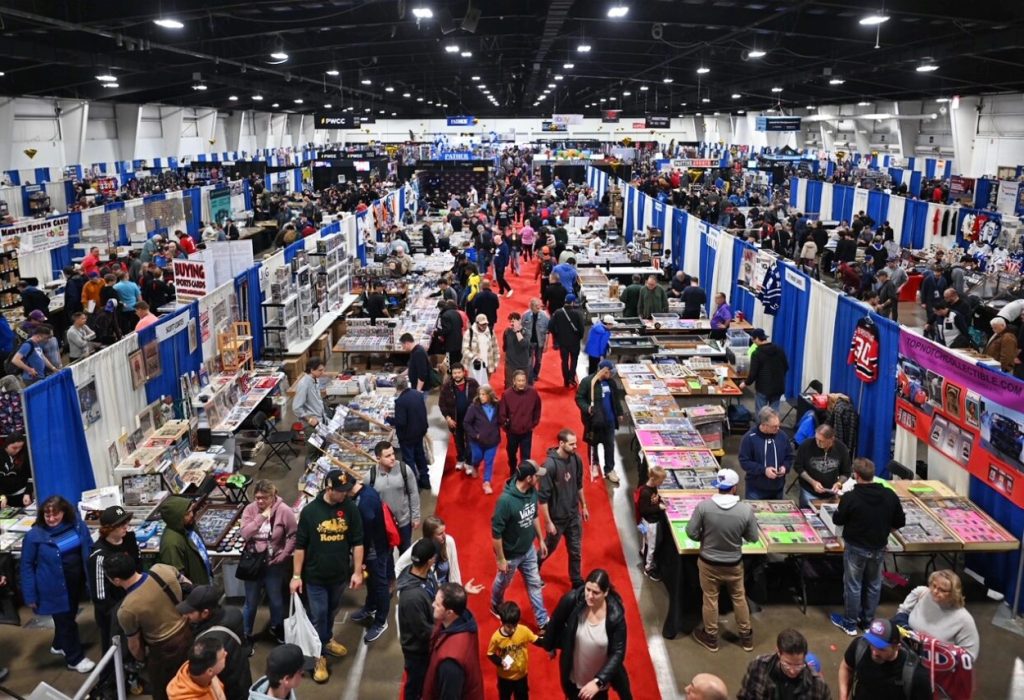
The hobby of sports card collecting can be enjoyed by both young children and adults, as there are no set norms. This hobby can start from simple childhood collecting and can end up diving into the complex card market, which includes both investors and professional collectors. The hobby has a very broad market and a wide range of collectible values. The value of a single sports card can start as low as 1 cent and go up to more than $12,600,000, which is how much the most expensive sports card ever sold for. The value is determined by several factors – rarity of the card, demand, condition and achievements of the athlete’s career.

The most fun part of the hobby is discovering a particularly rare or valuable card when you open a pack, in each pack you can find different cards – some of them may be basic, others rare, and still others with higher or lower value. Collectors are usually looking for the most valuable cards to add to their personal collection or simply sell to another collector in order to make a profit. Another very important and integral part of the hobby is community. After becoming a collector, you automatically join the community where you meet new friends, buy, sell, exchange between community members and socialize in an interesting form of communication. There are millions of sports card collectors around the world, most of them in the United States, Asia and Europe.


The digital age has fundamentally changed the sports card market. Online auctions, forums and social media platforms have made it easier for collectors to buy, sell and trade cards and share their passion with a global community. Despite these technological advances, the essence of sports card collecting remains rooted in the joy of collecting and the bond that is created between sports fans and professional athletes. Whether it’s a casual hobby or a serious investment, sports card collecting continues to fascinate millions around the world and has great potential for the future.
Pokemon
Pokémon trading cards are an integral part of modern pop culture, gaining immense popularity around the world. Introduced in 1996 as part of the larger Pokémon franchise, these cards became an instant phenomenon among children and adults alike. The card game allows participants to become Pokémon Trainers who collect and train their Pokémon to battle against other Trainers.

The investment and collectible aspect of Pokémon cards is also very important. Some rare cards, especially first edition or limited edition cards, can have a high market value. Collectors and investors are constantly on the lookout for rare cards that can increase in value over time, making some cards not just a part of the game, but a valuable asset. The most expensive Pokemon card ever sold was over $5,000,000.
Pokémon cards are more than a game or collection—they’re a cultural phenomenon that connects generations, encourages creativity and strategic thinking, and creates a strong global a community that shares a common passion for the world of Pokémon.
The Pokemon Card Game (TCG) hobby is an enticing combination of strategy, collecting, and nostalgia. The basic idea of the game consists of two players battling each other using a deck of 60 cards, each card representing a Pokémon, attack, item, or other supporting elements that can affect the outcome of the game. Each card represents a different Pokémon with unique characteristics, powers, and evolution options, adding depth and strategy to the game. Collecting and exchanging cards is an important part of the game, encouraging communication and community among players.

The social aspect of the Pokemon TCG hobby is particularly important – it brings people together, both in person in card battles, card shops or tournaments, and online through exchanges, strategy discussions and collection sharing. For many, the community and friendships formed through playing Pokemon are as valuable as the cards themselves.
The hobby of playing Pokemon cards is loved by people all over the world and is a wonderful pastime for players and collectors alike.


